


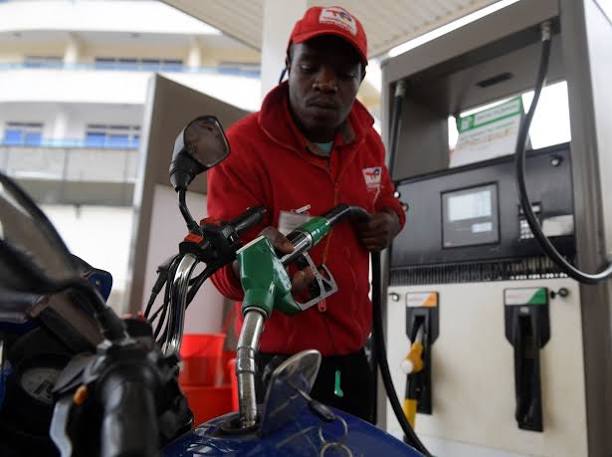
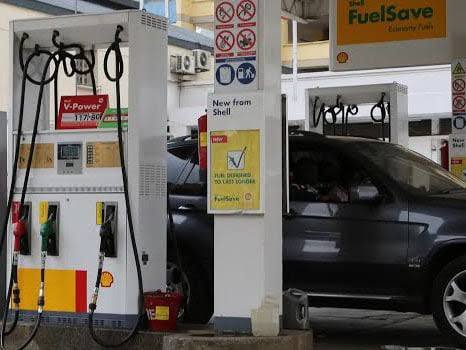
NAIROBI, Kenya — Motorists, commuters, and businesses across Kenya face another 30 days of steep energy costs after the Energy and Petroleum Regulatory Authority (EPRA) left maximum retail pump prices unchanged for the November 15 to December 14 pricing cycle, dashing widespread hopes for a pre-festive reduction.
Under the latest monthly review, fuel rates in Nairobi remain locked at near-record highs. A litre of Super Petrol continues to retail at KSh 226.96, Diesel stays at KSh 227.76, and Kerosene remains unchanged at KSh 219.87. In Mombasa, Kenya’s primary petroleum import gateway, Super Petrol holds at KSh 223.81, Diesel at KSh 224.61, and Kerosene at KSh 216.71, with inland towns like Kisumu and Eldoret reflecting slightly higher margins due to transport distances from the coast.
Why Global Crude Drops Have Not Reached Kenyan Pumps
The decision to maintain the status quo comes despite a notable retreat in global oil markets, where international crude benchmarks dropped by roughly 15 percent over the past week. For many Kenyan consumers tracking global headlines, the price freeze feels disconnected from international trends.
However, industry mechanics explain the delay. Unlike nations with active domestic refineries, Kenya imports fully refined petroleum products. Consequently, retail pump prices in any given cycle are calculated using the average landed cost of cargoes imported during the preceding month, rather than real-time crude spot prices.
According to official figures released by EPRA Director General Edward Kinyua on November 14, the average landed cost of refined fuel imported into Mombasa actually climbed in October:
- Super Petrol: Landed costs rose by 6.11 percent, moving from US$977.55 per cubic metre in September to US$1,037.30 in October.
- Diesel: Landed costs increased by 6.73 percent, climbing from US$1,065.38 to US$1,137.09 per cubic metre.
- Kerosene: Landed costs edged up by 0.71 percent, moving from US$1,098.31 to US$1,106.11 per cubic metre.
Because October import cargoes were secured before the recent slump in global crude oil, any relief from cheaper international oil will only be evaluated during future procurement cycles, provided global prices remain subdued and the Kenyan shilling holds steady against the US dollar.

Stabilisation Cushions and October’s Heavy Toll
To prevent these higher October import costs from triggering a fourth consecutive monthly pump hike, the government deployed KSh 4.6 billion from the Petroleum Development Levy Fund to absorb the shock. Without that fiscal intervention, EPRA noted that pump prices would have jumped by KSh 8.58 per litre for Super Petrol, KSh 10.54 for Diesel, and KSh 1.16 for Kerosene.
Even with the state cushion blocking fresh increases, households and enterprises remain bruised by October’s sharp upward review, which saw Super Petrol jump by KSh 12.93 a litre, Diesel rise by KSh 9.90, and Kerosene surge by KSh 28.49. Heavy drawdowns on fuel stabilisation reserves earlier in the year have left limited room for aggressive price rollbacks, forcing the regulator to prioritize price stability over reductions.
Ripple Effects Across Transport, Farming, and Households
The freeze carries immediate consequences for Kenya’s broader economy heading into the busy end-of-year travel and shopping season:
- Public Transport and Logistics: Matatu operators, bus companies, and long-haul freight transporters rely heavily on diesel, which remains the most expensive fuel grade at KSh 227.76 per litre in the capital. High diesel costs keep passenger fares elevated and sustain high distribution expenses for food and retail goods.
- Low-Income Households: Kerosene, priced just under KSh 220 per litre in Nairobi, remains a primary source of cooking and lighting energy for thousands of lower-income families. Sustained high prices continue to squeeze disposable household income already stretched by inflation.
- Manufacturing and Agriculture: Small-scale manufacturers, irrigation farmers, and commercial enterprises running backup generators face another month of high operating overheads, limiting their ability to lower consumer prices ahead of December.
Consumers and business owners will now look toward the mid-December review, hoping that the recent 15 percent slide in global crude oil translates into lower landed cargo costs and genuine relief at the pump before the new year.