


The Ebola epidemic gripping the Democratic Republic of Congo (DRC) has crossed another grim threshold, surpassing 11,000 confirmed infections six months after the outbreak was first declared, according to official government figures.
Data released by Congolese health authorities on November 10, 2026, recorded 11,042 confirmed Ebola cases and 5,387 deaths, representing a stark case-fatality rate of 48.8 percent. Declared on May 15, 2026, in northeastern Ituri Province, the epidemic is by far the largest and deadliest Ebola outbreak in the DRC’s history and now ranks as the second-largest on record globally, trailing only the 2014–2016 West African epidemic that infected more than 28,600 people.
Health analysts note that in its first six months, the current outbreak has generated at least three times as many cases and fatalities as the West African crisis recorded over an equivalent opening period, underscoring the speed at which the virus has spread through vulnerable communities.
A Rare Strain Without Licensed Vaccines or Cures
Unlike previous major outbreaks in Central and West Africa—most of which were driven by the Zaire ebolavirus species—this epidemic is caused by the rare Bundibugyo species of the virus. Because earlier Bundibugyo outbreaks in Uganda (2007) and the DRC (2012) were comparatively small, pharmaceutical development lagged behind, leaving frontline doctors today with no licensed vaccines or approved targeted treatments specifically proven against this strain.
The virus has now spread across 67 health zones in eight of the DRC’s 26 provinces—including Ituri, North Kivu, South Kivu, Tshopo, Haut-Uele, Bas-Uele, North Ubangi, and South Ubangi—giving it the widest geographic footprint of any Ebola outbreak ever documented on the African continent. While Ituri has recorded the highest cumulative toll, recent seven-day averages show transmission surging sharply in neighbouring North Kivu Province, with national figures hovering between 65 and 67 new confirmed cases per day.
Conflict, Funding Gaps, and Community Mistrust
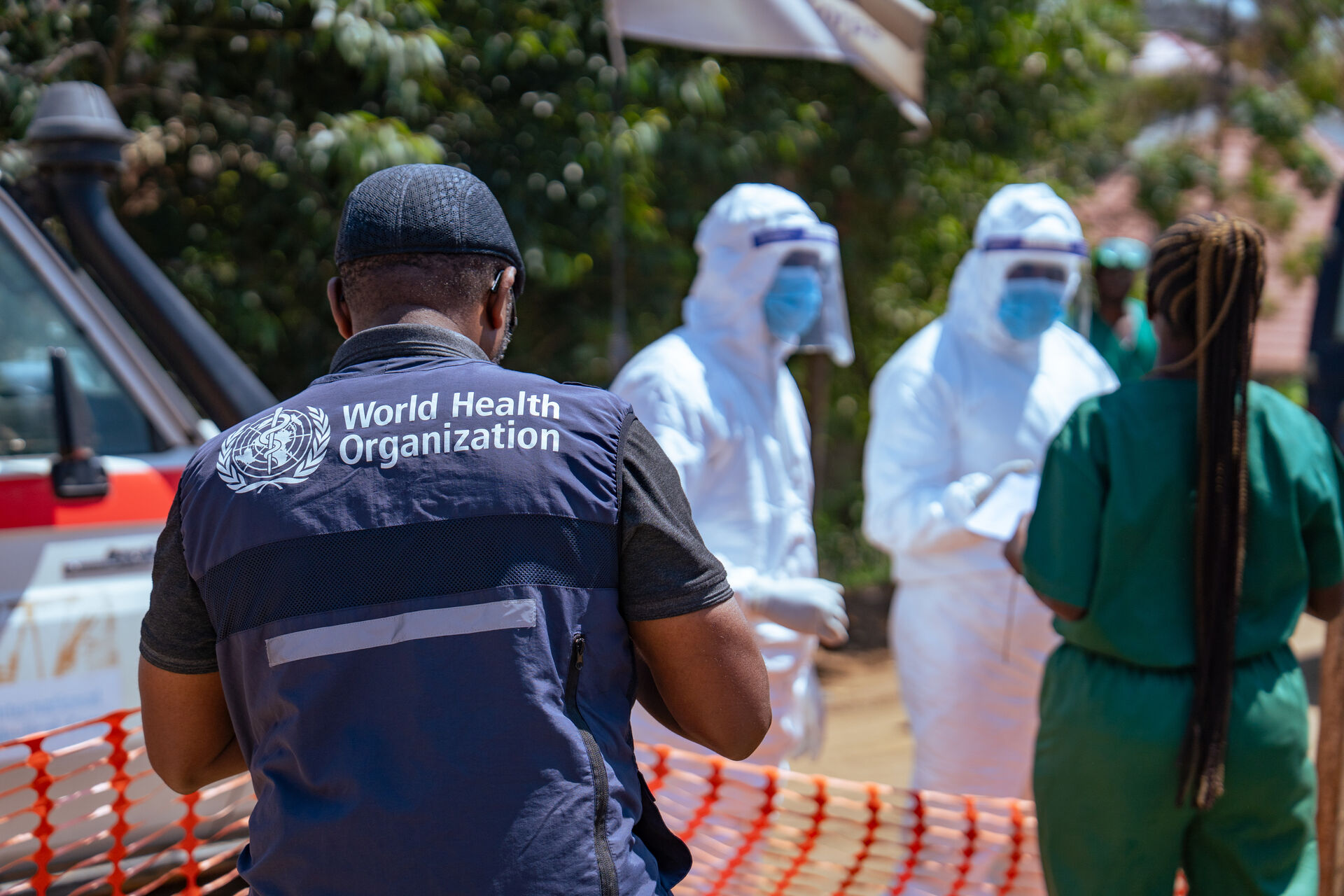
Containment teams from the Congolese Ministry of Health, the World Health Organization (WHO), the Africa Centres for Disease Control and Prevention (Africa CDC), and Médecins Sans Frontières (MSF) are operating under severe strain:
- Armed Insecurity: Active militia violence across eastern Congo routinely forces health teams to suspend contact tracing, safe burial protocols, and mobile clinic operations, leaving entire communities cut off from medical care.
- Community Deaths: Because of delayed detection, stigma, and long distances to overwhelmed treatment centres, a high proportion of fatalities are occurring inside homes and communities rather than isolation wards—creating further opportunities for household transmission.
- Funding and Logistics Shortfalls: Regional health leaders have also warned of critical financing bottlenecks, noting that less than half of the US$2.9 billion pledged by international donors has been disbursed, while some local health workers have staged strikes over unpaid stipends.
Cross-Border Spread and New Vaccine Trials Bring Hope
The epidemic has already tested regional and international health defences, with travel-linked or evacuated cases reported in Uganda, Kenya, Nigeria, and France (alongside medical evacuations to Germany, the Netherlands, Switzerland, and the United Kingdom). While Uganda successfully declared its localized 20-case outbreak over in late August following a 42-day countdown, health authorities in Kenya and Nigeria have maintained strict quarantine and port-of-entry surveillance after confirming imported cases in October.
Amid the mounting toll, researchers are racing to deploy experimental countermeasures through the WHO-supported Tumaini (“Hope”) clinical trial in eastern Congo. Alongside ongoing testing of the Zaire-strain vaccine Ervebo for potential cross-protection, the World Health Organization has approved adding two new Bundibugyo-specific candidate vaccines—ChAdOx1, developed by the University of Oxford and the Serum Institute of India, and Moderna’s mRNA-1469—into ring-vaccination trials among high-risk contacts, with initial efficacy results anticipated in early 2027.