


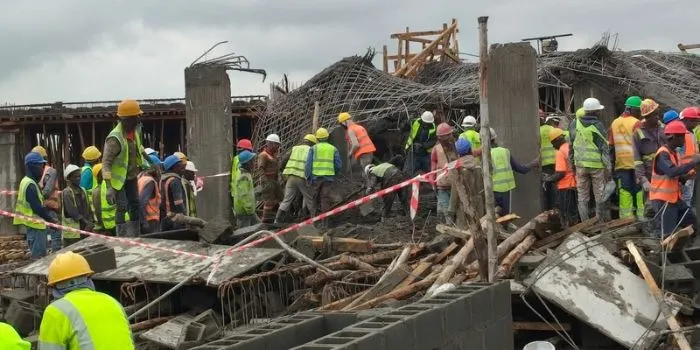

NAIROBI, Kenya — Kenya has now lost 14 innocent lives to two catastrophic building collapses in barely three weeks. On October 23, a multi-storey structure along 9th Street in Eastleigh caved in, claiming eight confirmed lives and crushing shops operating beneath an uncertified site. Barely 21 days later, on Friday, November 13, the top slab of an unfinished eight-storey building near the Syokimau SGR Terminus gave way, killing six workers on the spot. [1, 2, 3, 4, 5]
To describe these back-to-back tragedies as isolated accidents or “bad luck” is an insult to the grieving families. What Nairobi and its fast-growing metropolitan belt are witnessing is a systemic policy and enforcement failure—one written in wet concrete, bypassed permits, and years of official impunity.
A Deadly Pattern Hiding in Plain Sight
The numbers paint an undeniable picture of a city outgrowing its own oversight. Official data tracked across the construction sector shows that Nairobi leads the nation in structural failures, recording 24 building collapses by October 2026 alone—already surpassing every full year since 2020. Even more alarming, recent audits by the National Building Inspectorate and engineering bodies have warned that an overwhelming majority of inspected developments across the capital either lack full regulatory compliance or violate approved structural limits. [1, 2]
Yet every time concrete turns to dust and sirens wail across Nairobi, the public is treated to the exact same script. Politicians visit the rubble, agencies trade blame over who issued or failed to revoke a permit, and the same urgent questions echo unanswered: Who approved the architectural and structural plans? Who inspected the reinforcement steel and concrete curing? And who will actually go to prison?
Inquiries Without Consequences
Earlier this month, the Senate Standing Committee on Roads, Transportation and Housing launched an inquiry placing more than 300 developers and flagged projects under scrutiny, with hundreds of violation files piling up at the Office of the Director of Public Prosecutions (ODPP). [1, 2]
Parliamentary oversight is welcome, but Kenyans have seen task forces, multi-agency audits, and county crackdowns come and go without changing the incentives on the ground. Consider the disturbing reality in Eastleigh: even after search-and-rescue crews spent two grueling weeks pulling bodies from the debris, not a single high-profile arrest or prosecution had been secured at critical stages of the operation. Across the entire country, the National Construction Authority (NCA) had recorded barely a handful of successful convictions by early 2026. When cutting corners saves millions of shillings and carries almost zero risk of jail time, rogue developers will continue to gamble with workers’ lives. [1, 2, 3]
Three Non-Negotiable Reforms
Condolences and temporary site closures will not hold up a poorly poured slab. If national and county authorities are serious about ending Nairobi’s killer-building crisis, we call for three immediate, non-negotiable reforms:
- Public, Searchable Approval Records: Every construction site in Kenya must be tied to an open, real-time digital registry accessible to any citizen. Neighbours, tenants, and construction workers should be able to look up a plot number on their phones and verify the licensed architect, structural engineer, NEMA clearance, county permit, and maximum approved floor count before a single foundation trench is dug.
- Mandatory Independent Stage Audits: Inspection cannot remain a box-ticking exercise left to compromised officials or rubber-stamped after the fact. No developer should be permitted to cast a new floor slab without a signed, independently verified structural and material-strength audit—testing concrete cubes and steel gauge—uploaded before vertical work continues.
- Prosecutions That Follow the Evidence: Accountability cannot stop at site foremen or low-level clerks. Investigators from the Directorate of Criminal Investigations (DCI) and the ODPP must follow the paper trail all the way to the top—prosecuting negligent developers, unscrupulous engineers who lend their stamps for a fee, and county or regulatory officials who sign off on illegal extra floors or look away while shops operate inside active construction zones.
Until transparency replaces secrecy and convictions replace press conferences, every new high-rise climbing into Nairobi’s skyline asks its workers and neighbours to place their lives in a system that has just failed twice in three weeks.
Image Sourcing Guide for Your Website
- Eastleigh Collapse Rescue & Rubble:
- Syokimau Eight-Storey Collapse: