


LINDA MWANANCHI NAME CHANGE FACES LEGAL CHALLENGE.
The proposed rebranding of The Equitable Party (TEP) into the Linda Mwananchi Movement has encountered a fresh legal challenge after one of the party’s founding members moved to the Political Parties Disputes Tribunal, questioning the constitutionality of the process leading to the change.
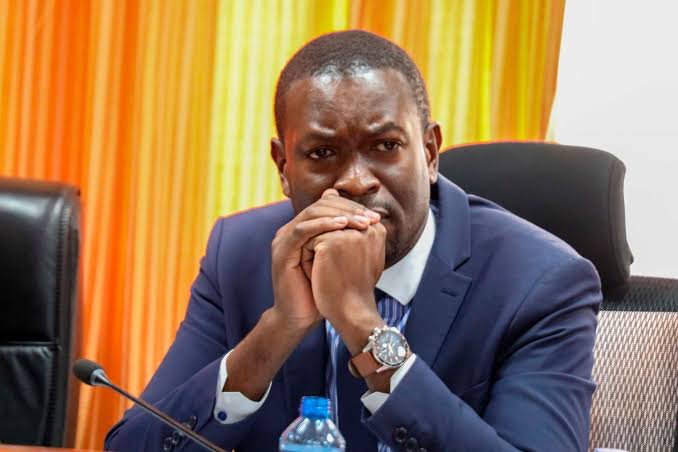
Emmanuel Willyngtone Khamala has filed an application seeking to suspend the implementation of resolutions adopted during the party’s National Delegates Conference held on November 13, 2026, arguing that the process failed to adequately involve registered party members in decisions affecting the organisation’s identity, leadership and structure.
Through his lawyer, Danstan Omari, Khamala is challenging the manner in which the proposed rebranding was undertaken, raising concerns over internal party democracy, transparency and compliance with the party constitution and the Political Parties Act.
The petitioner alleges that members were not adequately informed or consulted before the conference and that the process excluded some registered members from participating in decisions that could fundamentally transform the political organisation. He further questions the procedures used to identify and appoint individuals to leadership positions under the proposed new political formation.
Khamala also claims that the November 13 conference was conducted without sufficient transparency, alleging that members only became aware of the meeting’s venue after the proceedings had taken place. He maintains that he had previously raised concerns through complaint letters dated October 28 and November 6, 2026, but the issues were not adequately addressed before the meeting proceeded.
The dispute centres on whether the party followed the procedures prescribed in its constitution and the law governing political parties when approving changes to its name, leadership, colours, symbol and organisational structure.
The Equitable Party was registered on October 4, 2026, before Nairobi Senator Edwin Sifuna emerged as its political leader following opposition realignments. On October 8, an application seeking to change the party’s name was reportedly lodged, initiating the process that eventually led to the adoption of the Linda Mwananchi Movement identity.
On November 13, the party held its National Delegates Conference, where delegates reportedly approved the proposed change of name, party colours, symbol and headquarters, alongside constitutional amendments and changes to its nomination and election rules. The conference also authorised Sifuna to engage in coalition-building discussions with like-minded political parties ahead of the 2027 General Election.
However, the resolutions have now become the subject of a legal contest, with Khamala questioning whether the party’s leadership complied with the relevant constitutional requirements and whether the delegates who participated in the conference were selected through a legitimate process.
The petitioner has invoked Articles 10, 47, 50 and 90 of the Constitution, as well as provisions of the Political Parties Act, arguing that political parties are required to uphold democratic principles, transparency and accountability in their internal operations.
The application also raises questions about the respective powers of the party’s National Executive Committee and National Delegates Conference in initiating, approving and implementing constitutional amendments. While political parties have the authority to reorganise their structures and pursue new political identities, such decisions must be undertaken in accordance with their constitutions and applicable legislation.
The latest petition follows earlier attempts to stop the November 13 conference. On November 12, the Political Parties Disputes Tribunal declined to issue orders stopping the meeting, allowing the preparations to proceed. A subsequent application before the High Court also failed to secure immediate orders preventing the conference from taking place.
The fresh challenge places the Linda Mwananchi leadership under renewed scrutiny as the political formation seeks to establish itself ahead of the 2027 General Election. For Sifuna and his allies, the rebranding is an important step towards building a political vehicle capable of advancing their political agenda and participating in possible opposition coalition arrangements.
Nevertheless, the dispute introduces a significant question about the extent to which party leadership can restructure a political organisation without adequately involving its registered membership. It also highlights the importance of internal democracy in political parties, particularly where decisions have implications for party ownership, leadership and future political direction.
The Political Parties Disputes Tribunal is expected to hear the application on December 1, 2026. Its determination could establish whether the disputed resolutions complied with the party’s constitution and the legal framework governing political parties in Kenya.
For now, the allegations remain matters before the tribunal and should not be treated as established findings of wrongdoing. The outcome of the proceedings will be significant in determining the next steps in the proposed rebranding and the broader debate surrounding internal democracy within Kenya’s political parties.
THE END.